
Home Nursing Care That Fits Real Family Life
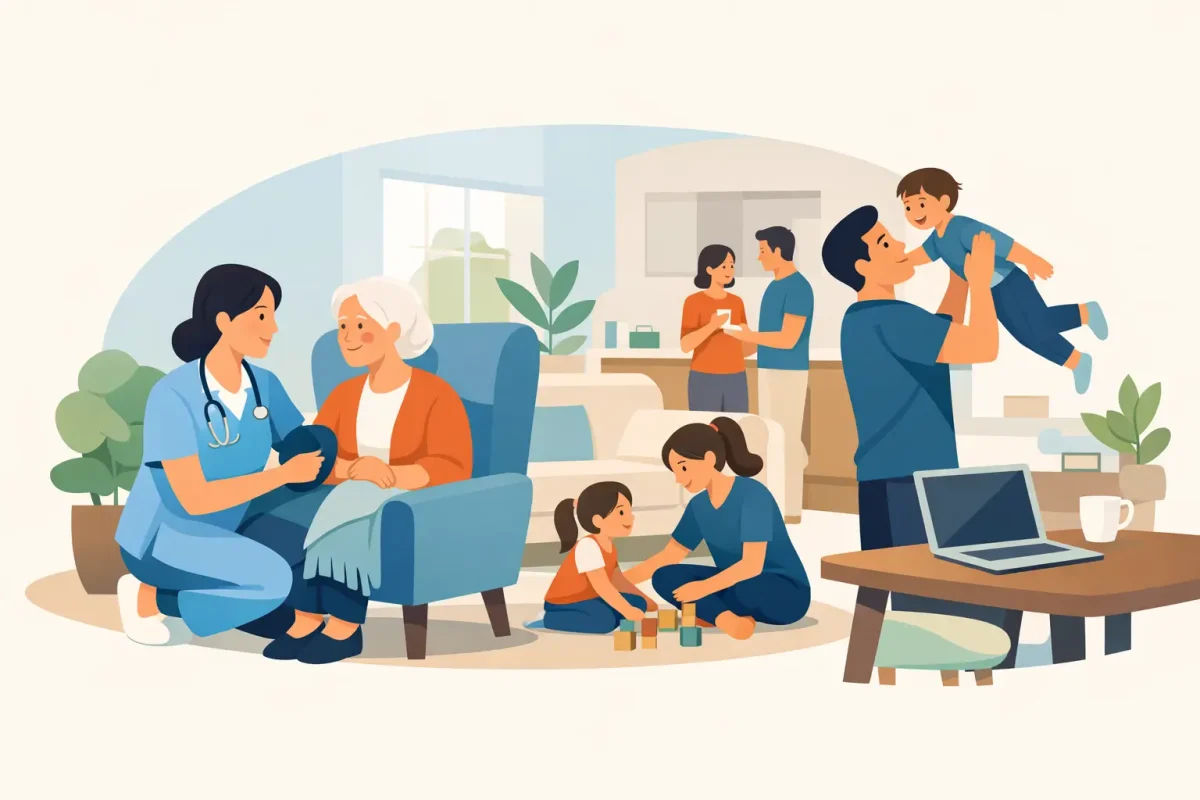
A fever at midnight, a parent returning home after surgery, a newborn who needs extra feeding support – these moments do not always fit clinic hours or a busy family schedule. Home nursing brings qualified medical support to the place where patients feel most secure: home. For families in Dubai and across the UAE, it can reduce stressful travel while keeping care organized, personal, and clinically focused.
The value is not simply convenience. A licensed nurse can assess a patient in their usual environment, follow a doctor’s care plan, monitor changes closely, and help family members understand what to do between visits. For many people, that continuity makes recovery and long-term health management feel more manageable.
What Home Nursing Can Support
Home nursing is professional medical care delivered outside a hospital or clinic setting. The exact service depends on the patient’s needs, their physician’s instructions, and the level of monitoring required. It may be arranged as a single visit, short-term daily support, or ongoing care for a chronic condition.
Common needs include post-hospital recovery, wound care, injections, IV therapy, medication administration, vital-sign monitoring, catheter care, mobility assistance, and support for older adults. Nursing care can also be valuable for patients managing diabetes, high blood pressure, respiratory conditions, neurological conditions, or limited mobility.
For mothers and babies, a nurse may provide postnatal monitoring, feeding guidance, newborn care education, and reassurance during the first demanding weeks at home. For working professionals, a scheduled clinical visit can help them receive appropriate treatment or monitoring without spending hours traveling and waiting at a medical facility.
Care should always match the clinical situation. Home nursing is well suited to planned care, recovery support, monitoring, and non-emergency medical needs. Sudden chest pain, severe breathing difficulty, loss of consciousness, major bleeding, or signs of stroke require emergency services and hospital-level assessment.
Why Care at Home Feels Different
A clinic appointment often happens in a short window, with family members trying to remember instructions after they leave. At home, a nurse can see practical details that affect care: whether the patient can move safely around the room, where medications are stored, whether a wound-care area is clean, or whether a caregiver needs help learning a task.
This setting creates space for questions that may otherwise go unasked. A family caregiver may be worried about changing a dressing correctly, recognizing dehydration, or encouraging a loved one to take medications consistently. Clear guidance from a qualified nurse can replace uncertainty with a realistic routine.
There is also a comfort benefit, particularly for older adults, children, and people recovering from procedures. Familiar surroundings can ease anxiety, reduce unnecessary exposure to crowded waiting areas, and make it easier for loved ones to remain involved. That does not replace hospital care when a patient needs it, but it can make the transition home safer and less overwhelming.
Choosing a Home Nursing Provider With Confidence
Inviting a healthcare professional into your home requires trust. Before arranging care, families should ask direct questions about qualifications, availability, scope of services, and how the provider coordinates with the patient’s doctor.
In Dubai, licensing matters. Look for DHA-licensed nurses and a provider that follows clear clinical processes, protects patient privacy, and documents care appropriately. A trusted provider should explain what the nurse can do during the visit, what supplies may be needed, and when a patient’s symptoms should be escalated to a doctor or hospital.
Response time matters as well. Some needs can be booked in advance, while others arise after discharge or when a caregiver becomes unavailable. A provider with 24/7 availability can offer valuable reassurance, but it is still helpful to confirm the expected arrival window and the type of support available outside regular hours.
Families should also consider continuity. One visit may be enough for an injection or a simple assessment. For wound healing, post-operative recovery, dementia support, or chronic disease management, a structured plan with regular reassessment is usually more useful than arranging disconnected visits only when a problem appears.
A Practical Plan Before the First Visit
A little preparation helps the nursing visit focus on the patient rather than paperwork. Have the patient’s diagnosis, recent discharge notes, medication list, allergies, physician instructions, and relevant test results available. If the patient has mobility limitations, make sure the nurse can safely reach the bedside or main care area.
It is equally helpful to write down concerns in advance. Perhaps the patient has new swelling, a poor appetite, trouble sleeping, pain during movement, or confusion around medication timing. Small changes can be clinically meaningful, especially after surgery or among older adults, so sharing them clearly gives the nurse a fuller picture.
During the visit, ask the nurse to explain the care plan in plain language. Family members should understand what is expected each day, which symptoms require a call to the provider, and which signs need urgent medical attention. Good home care does not make families feel responsible for clinical decisions. It gives them the knowledge and support to participate safely.
Home Nursing for Recovery, Aging, and Busy Families
The right care model looks different from one household to another. A healthy adult recovering from a minor procedure may need only a few visits for injections or dressing changes. An elderly parent with several health conditions may benefit from regular monitoring, medication support, and close communication with family caregivers.
For a patient with limited mobility, home visits can prevent the physical strain of repeated clinic travel. For someone with a chronic illness, consistent observation may help identify concerns before they become more serious. For parents of a newborn, practical support can make the early days feel less isolating and more confident.
There are trade-offs to consider. Some tests, imaging, specialist procedures, and emergency interventions cannot be provided at home. Patients may still need clinic or hospital appointments as part of their treatment plan. The strongest approach is often coordinated care: hospital or physician oversight when needed, supported by professional nursing at home between appointments.
At Prima Vita Clinic, home care is designed around that coordination. Licensed professionals can provide nursing and related clinical services at home, in a hotel, or at an office, helping patients receive appropriate care without adding unnecessary disruption to their day.
Questions Families Often Ask
How often can a nurse visit?
Visit frequency depends on the care plan. It may be a one-time visit, daily support during recovery, or scheduled weekly monitoring. The nurse or care coordinator should recommend a plan based on the patient’s condition and the physician’s guidance.
Can home nursing help after a hospital discharge?
Yes. Post-discharge support can include vital-sign checks, wound care, medication assistance, mobility support, and education for family caregivers. It is especially useful when patients need close observation but are medically stable enough to recover at home.
Is home nursing only for elderly patients?
No. Children, new mothers, adults recovering from surgery, people with chronic conditions, and busy professionals may all benefit from clinically appropriate nursing support at home.
What should I do if the patient suddenly gets worse?
Contact emergency services immediately for severe or rapidly worsening symptoms. Home nursing providers can guide non-emergency concerns, but urgent medical conditions require the appropriate emergency response.
The best time to plan for care is before a family reaches a point of exhaustion or uncertainty. A clear home nursing plan gives patients comfort, gives caregivers practical support, and gives everyone a dependable next step when health needs cannot wait.
