
Physiotherapy for Stroke Recovery at Home
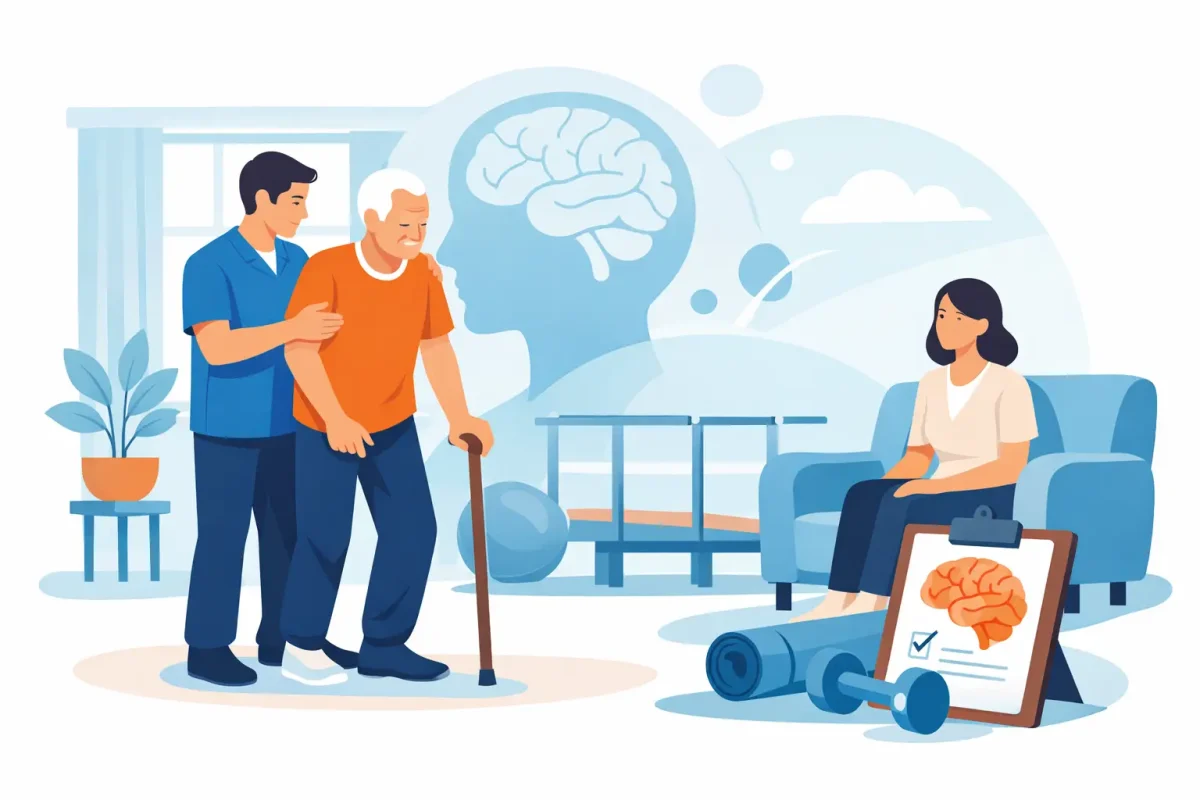
A stroke can make familiar actions feel unexpectedly difficult: standing from a chair, lifting a cup, walking to the bathroom, or using one hand to button a shirt. Physiotherapy for stroke recovery focuses on helping a person safely regain as much movement, independence, and confidence as possible, one practical task at a time.
For many families, home-based rehabilitation also removes a major barrier to consistent care. A licensed physiotherapist can assess the patient in the space where daily life happens, then build treatment around the home layout, current abilities, medical needs, and personal goals.
Why physiotherapy matters after a stroke
A stroke may affect strength, coordination, balance, sensation, muscle tone, walking, and endurance. These changes vary widely. Some people experience mild weakness in one arm, while others need support with transfers, standing, or every aspect of mobility.
Physiotherapy does not simply mean exercising a weak limb. It uses purposeful, repeated movement to help the brain and body work together in new ways. The brain can adapt after injury through neuroplasticity, but it needs safe, regular practice that is challenging enough to encourage progress without causing exhaustion, pain, or falls.
Recovery is rarely linear. A patient may make rapid gains in the first weeks, then need more time to improve balance, hand use, or walking quality. Fatigue, changes in medication, shoulder pain, mood, and other medical conditions can affect progress. A physiotherapist adjusts the plan as these needs change.
When should stroke physiotherapy begin?
Rehabilitation commonly starts in the hospital when the medical team confirms that the patient is stable. After discharge, continuing physiotherapy at home can help maintain momentum and reduce long gaps in treatment.
The right timing and intensity depend on the type of stroke, overall health, blood pressure control, cardiac status, level of alertness, and the patient’s ability to participate. Starting early does not mean pushing too hard. It means beginning appropriate movement, positioning, and mobility work as soon as it is medically safe.
If a person develops new facial drooping, speech difficulty, sudden weakness, severe headache, confusion, chest pain, or trouble breathing, treat it as an emergency rather than waiting for a physiotherapy visit. Immediate medical attention is essential.
What physiotherapy for stroke recovery involves
A home physiotherapy program begins with a detailed assessment. The physiotherapist may observe how the patient gets in and out of bed, transfers to a chair, walks, uses stairs, and manages the bathroom. They also assess muscle strength, joint range of motion, balance, posture, sensation, pain, and fall risk.
From there, treatment is organized around meaningful goals. For one patient, the priority may be walking safely to the kitchen without assistance. For another, it may be improving arm movement for dressing, returning to work, or safely moving between a bed and wheelchair.
Relearning everyday movement
Exercises are selected to support real-life function. This may include supported standing, weight shifting, sit-to-stand practice, stepping, turning, reaching, and walking practice. Repetition matters, but quality matters too. Compensating with the stronger side can be useful initially, yet the affected side still needs safe opportunities to participate.
A physiotherapist may use hands-on guidance, simple home equipment, or carefully adapted activities to improve movement control. The aim is not to make every exercise difficult. It is to make each activity relevant, safe, and achievable.
Improving balance and preventing falls
After a stroke, balance can be affected even when a person appears strong. Difficulty judging distance, reduced sensation, visual changes, dizziness, or weakness can increase the risk of falls.
Treatment may include standing balance work, safe turning practice, walking on different household surfaces, and learning how to use a cane, walker, or other mobility aid correctly when needed. The therapist can also identify practical risks in the home, such as loose rugs, poor lighting, cluttered walkways, or a lack of bathroom support rails.
Managing weakness, stiffness, and pain
Weakness may occur alongside stiffness or spasticity, where muscles become overactive and resist movement. Poor positioning can also lead to shoulder pain, particularly when the arm is weak and unsupported.
Physiotherapy can include gentle range-of-motion work, positioning advice, strengthening, posture correction, and movement strategies that protect the affected shoulder. Family members should avoid pulling on a weak arm to help someone stand or transfer. The physiotherapist can teach safer ways to provide support.
Why home-based rehabilitation can make care easier
A clinic setting is appropriate for many patients, especially when specialized equipment is needed. However, traveling to appointments can be physically demanding after a stroke. It may require wheelchair transport, caregiver coordination, long waits, and energy that the patient would rather use for treatment.
At-home physiotherapy allows therapy to take place where the patient needs to function every day. A therapist can practice the exact route from bedroom to bathroom, assess the height of a favorite chair, or teach a caregiver how to make transfers safer in the actual living environment.
This approach also supports family involvement. Caregivers often want to help but may be unsure whether they are doing too much, too little, or using unsafe techniques. Clear instruction can reduce anxiety and create a more consistent daily routine between sessions.
How often is physiotherapy needed after a stroke?
There is no single schedule that suits every patient. Frequency depends on the stage of recovery, medical stability, fatigue levels, goals, available caregiver support, and the amount of practice the patient can safely complete between visits.
Some patients benefit from several sessions a week during the early phase, while others need a less frequent review and a structured home program. More sessions are not automatically better if the patient is too tired to participate fully. The best plan balances focused treatment with rest, nutrition, medication management, and meaningful daily activity.
Consistency is usually more valuable than occasional intensive effort. Small, regular practice sessions can build confidence and help maintain gains from guided therapy.
How families can support progress safely
The family’s role is not to replace the physiotherapist. It is to create a calm, encouraging environment where the patient can practice safely and maintain dignity. Praise effort, not only visible improvement. Recovery can feel frustrating when a task that once took seconds now requires concentration and help.
Follow the therapist’s guidance for exercises, walking assistance, transfers, and mobility aids. Keep walkways clear, ensure supportive footwear is used, and place commonly used items within easy reach. Allow extra time for tasks rather than rushing the patient, especially when fatigue is high.
It also helps to watch for changes. Increased weakness, new pain, repeated falls, unusual confusion, reduced participation, or a sudden decline in walking ability should be shared with the healthcare team promptly.
A coordinated plan supports better recovery
Stroke rehabilitation often involves more than physiotherapy. Speech therapy may be needed for communication or swallowing concerns, while occupational therapy can help with dressing, bathing, hand function, and home routines. Nursing support and physician follow-up may also be important for medication, blood pressure, diabetes, wound care, or other health needs.
A coordinated home care plan makes it easier for each professional to work toward the same priorities. At Besthomecare, DHA-licensed professionals can provide home-based support designed around the patient’s condition, household routine, and family’s need for clear guidance.
Recovery after a stroke is built through many ordinary moments: one safer transfer, one longer walk, one hand reaching farther than it did last week. With skilled support, realistic goals, and patient practice, home can become a practical place to rebuild daily independence.
