
What Tests Can Be Done at Home? A Clear Guide
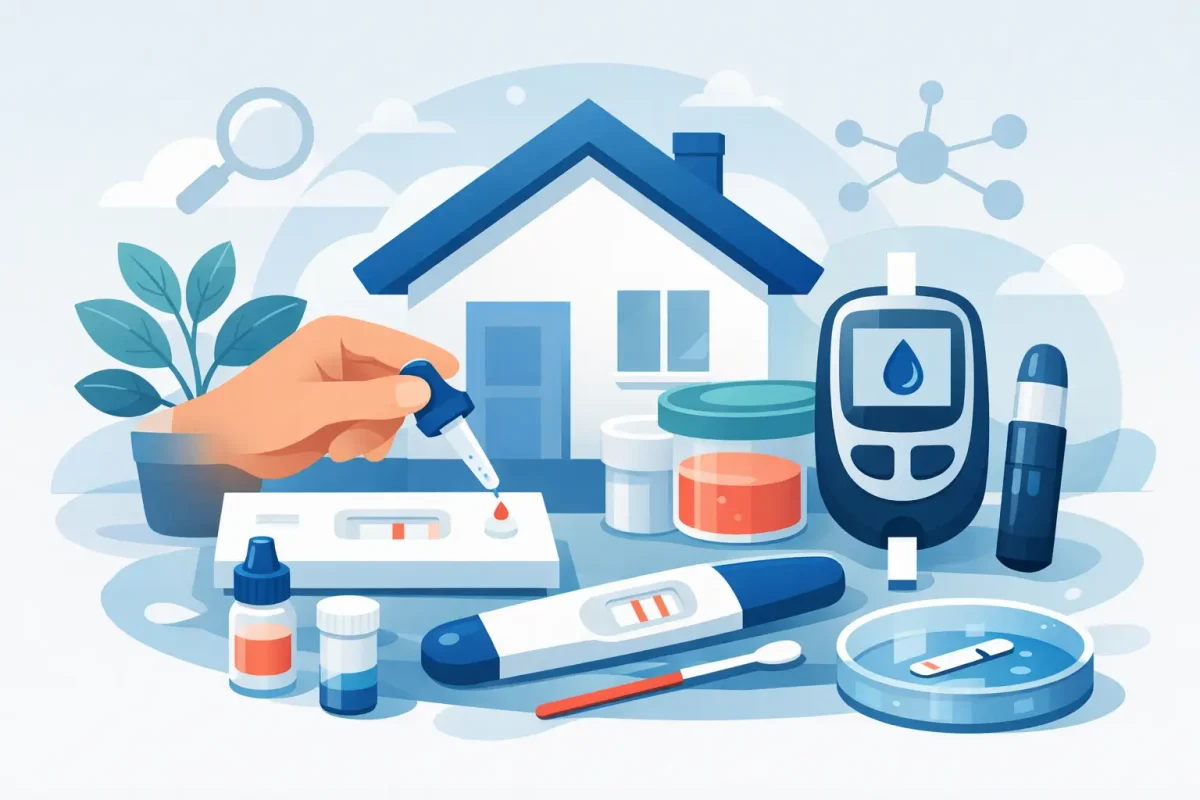
A missed workday, a newborn who should not be exposed to a crowded waiting room, or an elderly parent who finds travel exhausting can turn a simple lab request into a major concern. Knowing what tests can be done at home helps families get the information they need while protecting comfort, privacy, and continuity of care.
At-home testing can mean two different things. Some tests use a self-collection kit that you complete yourself and send to a laboratory. Others are collected by a licensed nurse, phlebotomist, or clinician in your home, hotel, or office and then processed by an accredited laboratory. The right option depends on the test, your symptoms, and whether you need professional support with collection or interpretation.
What tests can be done at home safely?
Many routine diagnostic tests can be arranged at home when the sample is collected, labeled, stored, and transported correctly. For blood-based testing, professional collection is often the most reliable choice. A qualified clinician can confirm your identity, use proper technique, and make sure the specimen reaches the laboratory within the required timeframe.
Blood tests and routine health screening
Home blood collection is commonly used for preventive screening, chronic disease follow-up, and investigations requested by a doctor. Depending on the laboratory order and clinical need, this may include a complete blood count, blood sugar testing, cholesterol levels, liver and kidney function, thyroid tests, vitamin levels, iron studies, and inflammatory markers.
Blood testing at home can be particularly helpful for people managing diabetes, high blood pressure, thyroid conditions, anemia, or high cholesterol. It also reduces the burden on patients recovering from surgery, those with limited mobility, and busy professionals who need testing without leaving work.
Fasting may be required for certain tests, especially glucose and lipid panels. Your healthcare provider should explain whether you can drink water, take routine medications, or need to avoid food before the visit. Do not stop prescribed medication unless the clinician who ordered the test tells you to do so.
Urine and stool tests
Urine samples can help assess urinary tract infections, kidney concerns, pregnancy-related conditions, diabetes monitoring, and other health issues. In some cases, a clinician can provide the correct sterile container and clear instructions for midstream collection. The timing of collection and delivery matters, particularly if infection testing is needed.
Stool tests may be requested for ongoing diarrhea, suspected infection, digestive symptoms, blood in the stool, or certain screening needs. These tests are often collected privately at home, but the sample must be handled exactly as instructed. Some require a special collection container or a fast return to the laboratory, so it is best not to collect the sample until you know the process.
Swab tests for respiratory and infectious conditions
Nasal, throat, wound, and other swabs may be collected at home when appropriate. Respiratory swabs have been widely used for viral testing, while throat swabs may help investigate certain bacterial infections. Wound swabs can be valuable when a clinician is assessing redness, discharge, delayed healing, or possible infection.
A swab result is only one part of the clinical picture. If you have high fever, worsening shortness of breath, confusion, chest pain, severe dehydration, or a rapidly spreading skin infection, do not rely on home testing alone. Seek urgent medical assessment.
Pregnancy and reproductive health tests
Home pregnancy tests are widely available and useful as an early indicator, but a positive or uncertain result may need confirmation through a laboratory blood test or a doctor visit. Some reproductive health and hormone tests can also be arranged through laboratory collection, depending on the reason for testing.
For pregnant patients, home-based care can make follow-up more comfortable, especially during periods of nausea, fatigue, bed rest, or reduced mobility. However, symptoms such as vaginal bleeding, severe abdominal pain, severe headache, vision changes, reduced fetal movement, or sudden swelling need prompt medical attention rather than routine testing.
Home testing for chronic condition monitoring
Not every useful home test is sent to a lab. Daily or regular monitoring tools can give patients and clinicians valuable information between appointments. Blood glucose meters, blood pressure monitors, pulse oximeters, thermometers, and some home urine testing strips may support ongoing care plans.
These tools are convenient, but they are not interchangeable with a full clinical assessment. A single high blood pressure reading after stress or activity may not tell the whole story. Likewise, a pulse oximeter reading can be affected by cold hands, poor device placement, nail products, or circulation issues. Trends, symptoms, and correct technique matter more than one isolated number.
If you are monitoring a chronic condition, keep a clear record of readings, symptoms, medication changes, and the time of day. This gives your doctor a more useful picture and can help identify when treatment needs adjustment.
When a clinician should collect the sample
Self-test kits can be practical for simple screening, but professionally collected testing is often the better choice when accuracy and clinical context are especially important. This includes blood draws, testing for a suspected infection, monitoring after hospitalization, and testing for infants, older adults, or patients with complex medical needs.
A licensed home healthcare professional can also help if you are anxious about needles, have difficult veins, need a test urgently, or are unsure how to prepare. The visit is an opportunity to ask questions about fasting, medications, hydration, and what symptoms should prompt a doctor consultation.
For families in Dubai and the surrounding UAE, Besthomecare can arrange licensed clinicians for appropriate home laboratory collection, helping reduce travel and waiting time while maintaining a professional standard of care. Availability of specific tests may vary based on laboratory requirements, the patient’s location, and the urgency of the request.
What home tests cannot replace
At-home testing is valuable, but it has limits. It cannot replace emergency care, imaging such as X-rays or CT scans, a detailed physical examination, or procedures that need hospital equipment. It also cannot reliably diagnose every cause of pain, fever, fatigue, dizziness, or weight change.
Results should be interpreted in context. A normal result does not always rule out illness, and an abnormal result does not always mean there is a serious problem. Your age, medical history, symptoms, medications, and recent activities can all affect what a result means.
Be cautious with consumer testing kits that promise broad answers from a small sample. Some may be useful for screening, but not all are clinically validated for diagnosis or suitable for every patient. Before choosing a kit, consider whether the result will be reviewed by a qualified healthcare professional and whether it will lead to a clear next step.
How to prepare for a smooth home test visit
A little preparation protects the quality of your sample and makes the appointment easier. Confirm the test name, whether fasting is required, and whether you need to collect a urine or stool sample before the clinician arrives. Keep your identification and doctor’s request, if applicable, available.
Drink water unless you have been told to restrict fluids. Good hydration can make blood collection easier. Wear clothing with sleeves that can be rolled up comfortably, and choose a clean, well-lit area with a chair or suitable place to sit. For children or anxious patients, having a familiar caregiver nearby can make the experience calmer.
After collection, ask when and how results will be shared, who will explain any abnormal findings, and what to do if symptoms change while you are waiting. Fast access is helpful, but clear follow-up is what turns a test result into meaningful care.
The best home test is not simply the most convenient one. It is the test that fits your symptoms, is collected correctly, and connects you to qualified guidance when the result calls for action.
