
When a Wound Care Nurse Service Helps Most
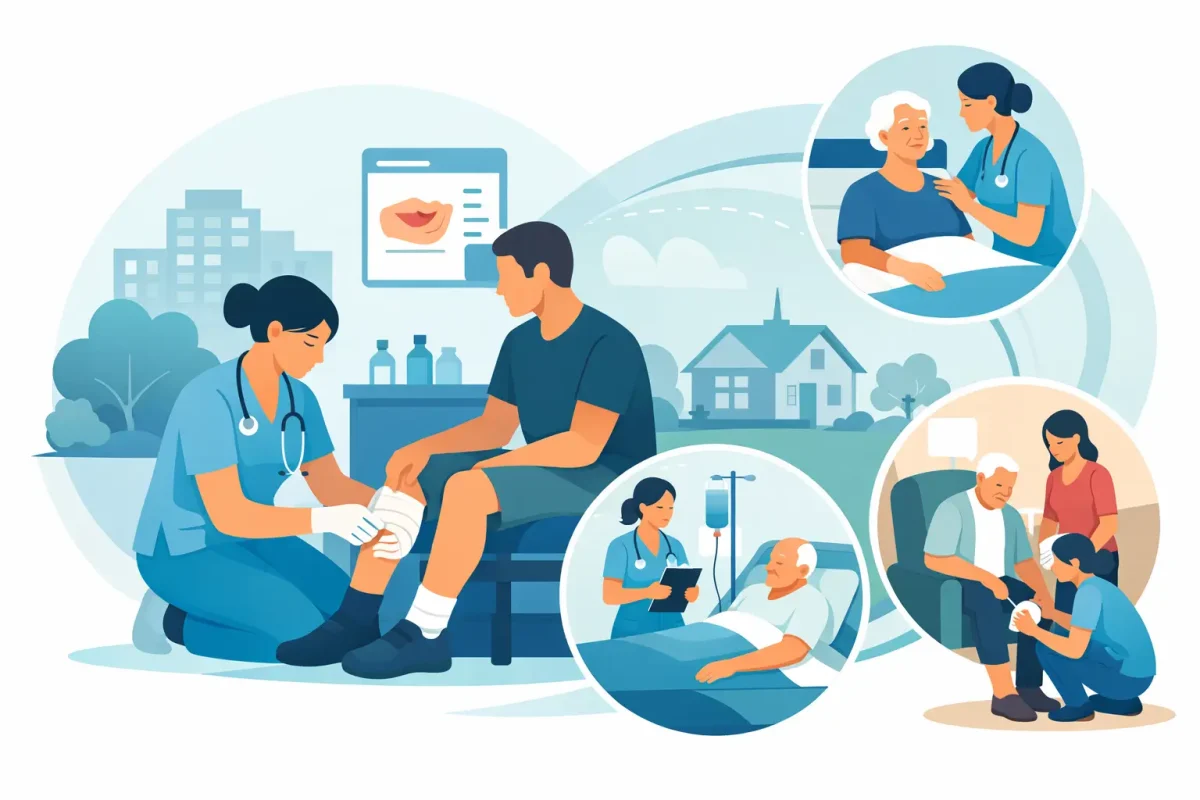
A wound that is not healing as expected can quickly become more than a daily inconvenience. Dressing changes may be painful, mobility can be limited, and families are often left wondering whether redness, drainage, or swelling is normal. A wound care nurse service brings qualified clinical support to the patient, helping make care safer, more consistent, and less stressful at home, in a hotel, or at the office.
For many people in Dubai and across the UAE, home wound care is especially helpful after surgery, during recovery from an injury, or when a chronic condition makes frequent clinic visits difficult. The goal is not simply to replace a dressing. It is to assess the wound, protect the surrounding skin, monitor progress, and give the patient and family clear guidance on what to do between visits.
What a wound care nurse service can provide
A licensed nurse begins by understanding the patient’s health history, the cause of the wound, current treatment instructions, pain level, and any conditions that may delay healing. Diabetes, reduced circulation, limited mobility, poor nutrition, and certain medications can all affect how a wound progresses. This wider view matters because two wounds that look similar may need very different care plans.
During a home visit, the nurse may clean the wound according to the clinician’s orders, apply the appropriate dressing, protect fragile skin, and document changes in size, color, drainage, odor, and discomfort. They can also check for warning signs that should be reviewed promptly by a physician.
Just as valuable is the practical support around the visit. A patient may need help positioning comfortably for a dressing change, while a family caregiver may need to learn how to keep the area clean and dry. Clear, calm instruction can prevent common mistakes such as removing a dressing too early, using unapproved products, or overlooking early signs of infection.
Common situations that benefit from nursing support
Home-based wound care may be appropriate for surgical incisions, pressure injuries, diabetic foot wounds, minor traumatic wounds, burns requiring professional follow-up, and skin tears in older adults. It can also support patients after a hospital stay when they need continuity of care without the strain of repeated travel.
The right level of care depends on the wound and the patient’s overall condition. Some wounds need regular nursing visits and physician coordination. Others may require urgent hospital assessment, surgical treatment, imaging, or specialist intervention. A responsible nurse helps identify when home care is suitable and when a higher level of care is needed.
Why consistent wound care matters
Healing is rarely improved by changing products too often or treating a wound differently each day. Consistency allows the care team to see whether the wound is moving in the right direction and adjust the plan when it is not. Regular observation can also help detect small changes before they become serious setbacks.
For families, this continuity provides reassurance. Instead of relying on internet advice or trying to judge changes from a photograph, they have a trained professional who can evaluate the wound in person and explain what is happening in plain language. That support is particularly meaningful for elderly patients, people living with diabetes, and those recovering from surgery.
Home visits can also reduce the physical burden of care. A patient with pain, limited mobility, or a new baby at home may find transportation and waiting rooms exhausting. Receiving care where they are resting helps protect comfort and supports adherence to the care plan.
What to expect during a home visit
A professional visit should feel organized, respectful, and focused on the patient’s dignity. The nurse will confirm the patient’s identity, review relevant medical information, and prepare a clean work area before beginning care. They should use appropriate infection-control practices and explain each step, especially if the dressing change may cause discomfort.
The assessment often includes the wound itself and the skin around it. The nurse may ask about fever, increasing pain, appetite, mobility, blood sugar management, or recent changes in medication. These questions are not routine formalities. They help reveal factors that can influence healing.
After care is completed, the patient or caregiver should know what to watch for, how to protect the dressing, and when the next visit or follow-up is expected. If the patient has questions about bathing, movement, sleeping positions, or daily activities, this is the time to ask. Good wound care is not only clinical treatment. It is practical guidance that fits real life.
Preparing for the nurse’s arrival
You do not need to create a clinical setting at home. A clean, well-lit area with a comfortable place for the patient to sit or lie down is usually enough. Keep any discharge papers, medication list, previous wound instructions, and relevant supplies nearby if they are available.
It also helps to note changes since the last dressing change. Has the pain increased? Is the dressing becoming wet sooner? Has the patient had chills, fever, or reduced appetite? Accurate information helps the nurse make a more complete assessment.
Choosing a home wound care provider
Trust is essential when inviting a healthcare professional into your home. Look for a provider that uses licensed nurses, follows infection-control standards, communicates clearly, and can coordinate with the patient’s physician when needed. Availability also matters. Wounds do not always change during regular business hours, and families need to know where to seek help if concerns arise.
Ask how the provider handles clinical documentation, follow-up recommendations, and escalation when a wound needs physician review. It is reasonable to ask whether the nurse has experience with the type of wound being treated. A post-surgical incision, for example, may involve different priorities than a pressure injury or diabetic foot wound.
At Besthomecare / Prima Vita Clinic, DHA-licensed nursing professionals can provide wound care support at home with an emphasis on patient comfort, family education, and timely clinical attention. Care can be arranged around the patient’s needs while maintaining the standards expected of a professional medical service.
When home wound care is not enough
Home nursing is valuable, but it is not a substitute for emergency treatment. Seek urgent medical assessment if there is uncontrolled bleeding, rapidly spreading redness, severe or worsening pain, a high fever, confusion, blackened tissue, significant swelling, or a wound that has opened after surgery. Patients with diabetes or circulation problems should also take new foot wounds seriously, even when they appear small.
A nurse can help recognize these concerns, but patients and caregivers should not wait for a scheduled visit if symptoms are severe or rapidly getting worse. Fast action can protect health and prevent complications.
Helping healing continue between visits
The care plan works best when nursing treatment and daily habits support each other. Keep dressings clean and dry unless instructed otherwise, take medications exactly as prescribed, and avoid putting pressure or friction on the affected area. For patients with diabetes, blood sugar management is a central part of healing, not a separate concern.
Nutrition, hydration, sleep, and safe movement also play a role. The details depend on the patient’s condition, so personalized advice from the treating clinician should guide daily decisions. Families should never apply antiseptics, creams, herbal remedies, or leftover medications without clinical approval, as some products can irritate tissue or interfere with the prescribed treatment.
A wound can be physically small yet demand close attention. With skilled nursing support, clear communication, and prompt action when something changes, patients can focus less on the logistics of care and more on resting, recovering, and returning to the routines that matter to them.
