
Homecare Trends Changing Care in Dubai Homes
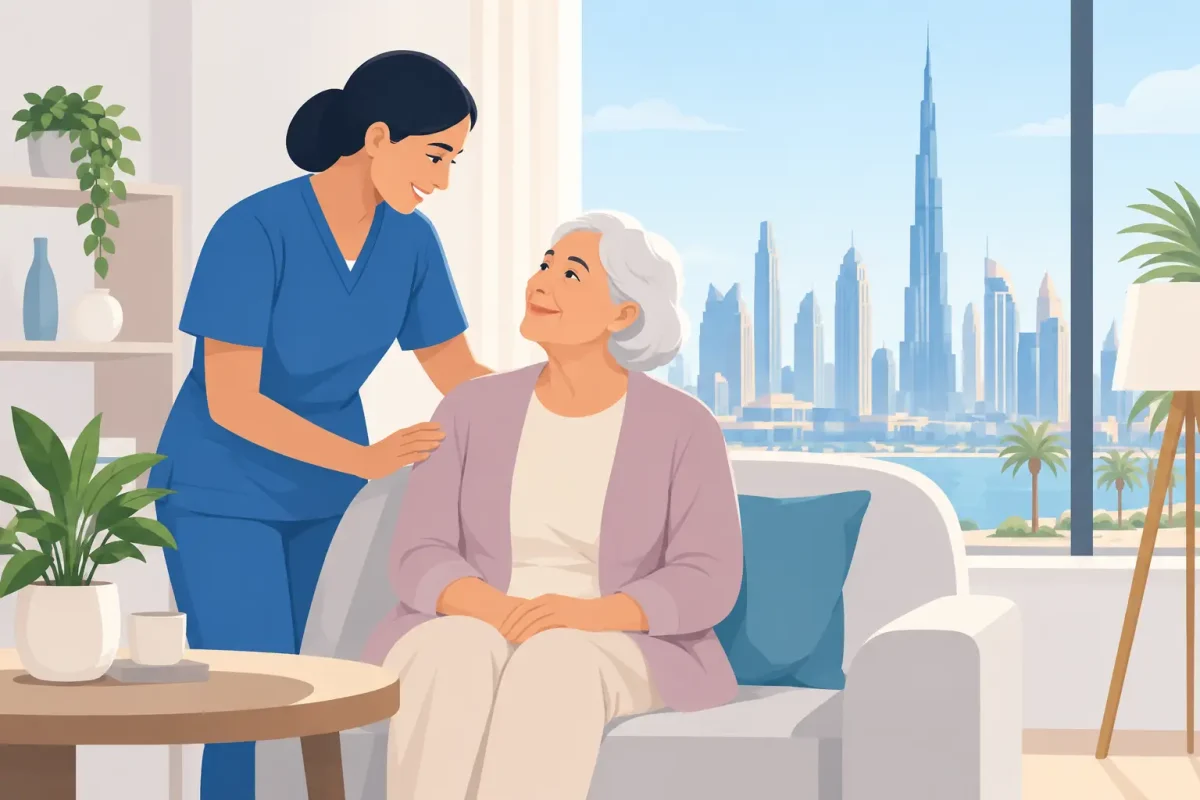
A parent with a newborn, an older adult managing diabetes, and a professional recovering after surgery may have very different needs. Yet they often want the same thing: qualified medical support without the added stress of travel, waiting rooms, and disrupted routines. That is why homecare trends are changing how families and individuals in Dubai think about healthcare.
Care at home is no longer limited to occasional nursing support. It is becoming a practical extension of the healthcare system, bringing licensed professionals, diagnostic services, rehabilitation, and preventive care closer to the patient. For many households, the question is not whether home healthcare is convenient. It is whether it can provide the right level of clinical care, at the right time, with the reassurance their family needs.
Homecare Trends Are Moving Care Closer to Daily Life
The strongest shift is toward care that fits into real life rather than asking patients to reorganize life around appointments. Traffic, work commitments, caregiving responsibilities, reduced mobility, and the physical strain of illness can all make a clinic visit more difficult than it appears. A scheduled home visit removes many of those obstacles while allowing clinicians to assess patients in the setting where they eat, sleep, move, and recover.
This matters especially for older adults and people living with chronic conditions. Ongoing care often requires more than a single consultation. It may include medication support, vital-sign monitoring, wound care, mobility assistance, nutrition guidance, and education for family caregivers. When these services are delivered at home, patients can receive continuity rather than fragmented care across multiple locations.
For families, this model also creates a clearer connection with the care team. Relatives can be present during a visit, ask questions directly, and better understand what should happen between appointments. That practical guidance can reduce uncertainty and help families recognize when symptoms require medical attention.
Licensed Care and Clinical Standards Matter More Than Ever
As demand for home-based services grows, patients are becoming more selective about who enters their home and provides care. Convenience is valuable, but it should never replace professional standards. One of the most important homecare trends is the growing expectation that home services be delivered by properly licensed, trained, and accountable clinicians.
Before arranging a visit, patients and caregivers should understand what type of professional is needed. A registered nurse may be appropriate for post-hospital support, injections, IV therapy, wound care, or ongoing monitoring. A physician home visit may be needed for an assessment, diagnosis, treatment plan, or escalation of care. Physiotherapists, speech therapists, and other specialists bring a different level of expertise for rehabilitation and functional recovery.
The right provider should be clear about staff qualifications, the scope of services available, and how care is documented and coordinated. In Dubai, DHA-licensed professionals offer an added layer of confidence for patients seeking medical support at home. Clear clinical processes are particularly important when a patient has multiple conditions, takes several medications, or is transitioning home after a hospital stay.
Home healthcare also has limits. Chest pain, severe breathing difficulty, signs of stroke, heavy bleeding, loss of consciousness, or other emergencies require immediate emergency services and hospital-level care. Responsible homecare providers help patients understand that distinction rather than presenting every concern as something that can be managed at home.
Chronic Care Is Becoming More Personal
Chronic conditions are rarely managed through medication alone. Diabetes, hypertension, heart disease, respiratory conditions, and neurological disorders can affect energy, movement, sleep, appetite, and confidence. Patients often need regular observation and encouragement, while family members may need help understanding daily care routines.
Home-based chronic care makes it easier to build support around the person, not just the diagnosis. A nurse can review medication routines, monitor changes in symptoms, and reinforce the care plan in a familiar environment. A clinician may notice practical barriers that are harder to identify in a clinic, such as difficulty moving safely around the home or confusion around medication storage.
Personalization does not mean every patient needs the same frequency of visits. Some people benefit from short-term support after discharge, while others need scheduled visits over months. The best approach depends on the condition, the patient’s stability, family support, and the physician’s recommendations. Flexible care plans are valuable because needs can change quickly after illness, surgery, or a decline in mobility.
Recovery and Rehabilitation Are Leaving the Clinic
Rehabilitation is another area where home care is gaining momentum. After orthopedic surgery, a stroke, an injury, or a prolonged hospital stay, getting to an outpatient rehabilitation center can be tiring or physically difficult. Receiving physiotherapy at home may allow patients to begin safely, build confidence, and practice movement in the space they use every day.
Home sessions can be especially useful for improving transfers, walking safety, balance, and stair navigation. The therapist can see the patient’s actual environment and tailor recommendations accordingly. For example, a patient may need support learning how to move from a bed to a chair safely, use a walker in a narrow hallway, or reduce fall risks in the bathroom.
There are trade-offs. Some rehabilitation goals require equipment or facilities that are more readily available in a clinic. In those cases, a blended plan may be best: home sessions for early recovery and functional training, followed by clinic-based therapy when the patient is stronger. The goal is not to replace every clinical setting. It is to choose the setting that supports safe, consistent progress.
Mother, Baby, and Postnatal Support Are Expanding
The first weeks after childbirth can be demanding, even when mother and baby are healthy. New parents are balancing recovery, feeding, sleep deprivation, medical questions, and the emotional adjustment of caring for a newborn. Home-based nursing and mother-and-child support can offer calm, practical assistance during a period when leaving home may feel overwhelming.
This can include postnatal monitoring, newborn care guidance, feeding support, and help recognizing when a concern should be discussed with a physician. The value is not simply convenience. Timely, compassionate support can help parents feel more confident and less isolated while they establish routines.
For families with premature babies, mothers recovering from a difficult delivery, or parents managing other children at home, the need may be greater. A qualified professional can provide guidance that is personalized to the family’s situation while keeping clinical safety at the center of care.
Preventive Care Is Becoming Part of the Home Visit
Home healthcare is increasingly used before a health issue becomes urgent. Lab testing, wellness checks, injections, IV therapies when clinically appropriate, and physician consultations can be arranged around work and family schedules. For busy professionals, this may mean receiving a service at home, at a hotel, or at the office without losing an entire day to a medical appointment.
Corporate wellness is following a similar direction. Employers are looking for practical ways to support employee health, particularly where long working hours and demanding schedules can delay care. On-site or workplace health services can make screening and basic medical support easier to access, although privacy, consent, and appropriate clinical boundaries must always be respected.
Preventive home services should still be guided by individual needs. A lab test is most useful when the results are reviewed in the context of symptoms, medical history, and a clinician’s advice. Convenience works best when it supports informed care rather than encouraging patients to self-diagnose.
Faster Access Is Raising Expectations
Patients now expect healthcare to respond quickly, especially when a loved one is unwell at home. This does not mean every request is urgent, but it does mean providers need reliable scheduling, clear communication, and the ability to guide patients toward the right service. A fast booking process is helpful only when it is paired with a careful understanding of what the patient needs.
Round-the-clock availability can offer real reassurance for families managing unpredictable symptoms or recovery needs. It is particularly valuable when patients need non-emergency guidance outside standard clinic hours. Besthomecare supports this need through a broad range of home medical and wellness services delivered by licensed professionals, helping patients arrange appropriate care without unnecessary disruption.
The most meaningful trend is not technology, speed, or convenience on its own. It is the return of care that feels close, responsive, and personal while remaining clinically responsible. When choosing home healthcare, look for a provider that listens carefully, explains the plan clearly, and gives your family confidence about the next step.
