
Improving Diabetes Care Outcomes at Home
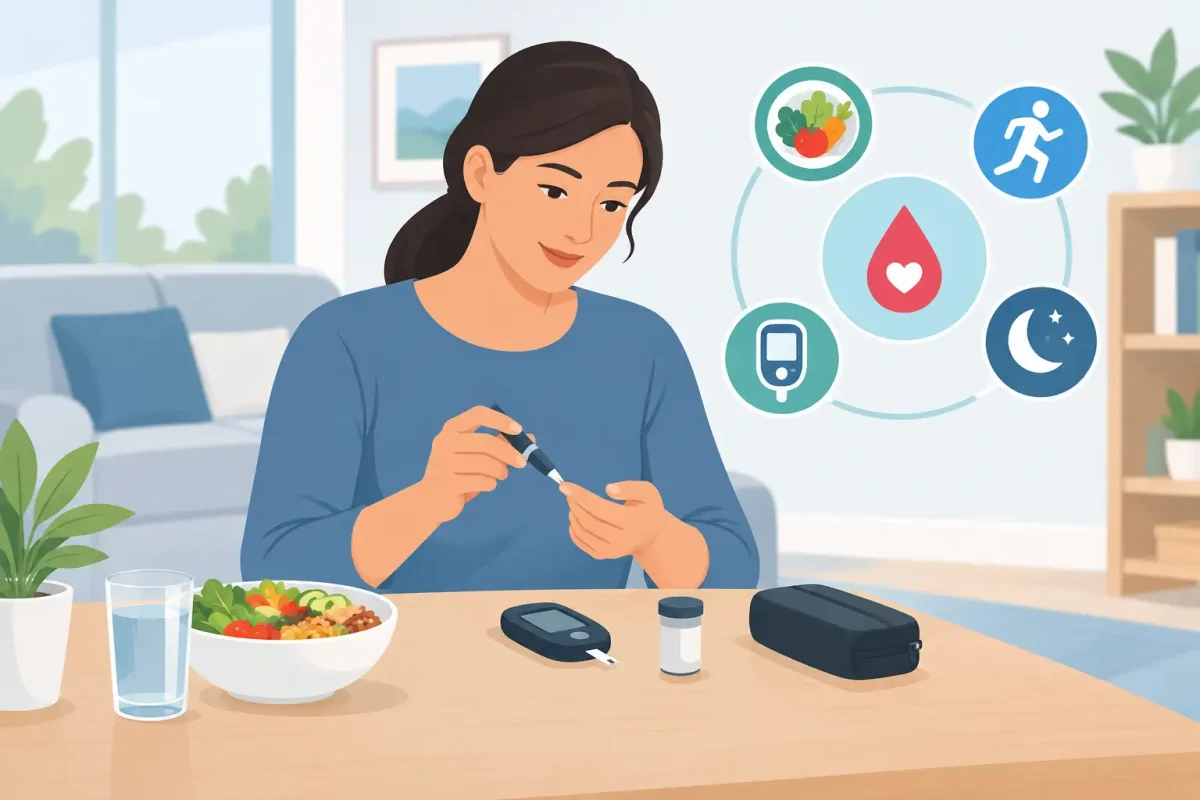
A high blood sugar reading can be easy to postpone when life is busy. A missed meal, a delayed medication dose, or a follow-up appointment that feels difficult to arrange may seem small in the moment. Over time, however, these gaps can affect diabetes care outcomes, including energy levels, blood glucose control, hospital visits, and long-term health.
For people living with diabetes, consistent care is often more valuable than occasional intensive effort. The right plan should fit real routines, personal mobility, family responsibilities, work demands, and the individual’s medical needs. Home-based clinical support can make that consistency more practical by bringing qualified care, testing, education, and follow-up directly to the patient.
What Strong Diabetes Care Outcomes Look Like
Diabetes management is not defined by one number alone. Blood glucose readings and A1C results matter, but good outcomes also include preventing complications, recognizing changes early, maintaining a healthy routine, and helping the person feel confident managing their condition.
For some patients, progress may mean bringing consistently high readings closer to their clinician’s recommended range. For others, it may mean avoiding repeated episodes of low blood sugar, recovering safely after a hospital stay, or learning how to use insulin correctly. An older adult who needs family support, a working professional with an unpredictable schedule, and a new mother managing gestational diabetes may all need different forms of care.
The most useful care plans are therefore personalized. They account for the type of diabetes, prescribed medications, food preferences, activity level, other health conditions, and the patient’s ability to complete daily tasks safely. A plan that is medically sound but impossible to follow at home is unlikely to deliver lasting results.
Consistency Matters More Than Perfection
Blood glucose can change in response to meals, stress, illness, sleep, activity, and medication timing. Occasional fluctuations happen. The concern is a recurring pattern that goes unnoticed or is addressed too late.
Regular monitoring allows the care team to identify these patterns. A record of readings can show whether blood sugar rises after certain meals, drops overnight, or becomes unstable during illness. This gives the prescribing clinician better information for medication adjustments and helps patients understand what is happening in their own bodies.
Patients should follow the monitoring schedule set by their physician. Those using insulin or medicines that can cause low blood sugar may need closer checking than someone whose diabetes is managed differently. A licensed nurse can reinforce the prescribed plan, check technique, and help ensure readings are documented accurately.
The Everyday Factors That Shape Diabetes Care Outcomes
Diabetes care works best when clinical treatment and daily habits support each other. Medication may be essential, but it cannot compensate for every barrier a patient faces at home. In the same way, healthy meals and activity are valuable but should never replace prescribed medical treatment.
Medication adherence is a common challenge. Some people forget doses because their day is rushed. Others may be uncertain about injection technique, storage requirements, or what to do when they are unwell or unable to eat normally. Clear instruction and nonjudgmental follow-up can prevent confusion from becoming a safety issue.
Nutrition also needs practical attention. A diabetes-friendly eating plan should be realistic for the household, culture, budget, and schedule. Extreme restriction is rarely sustainable. Instead, patients often benefit from learning how portions, carbohydrate choices, protein, fiber, and meal timing may affect their glucose levels. Individual recommendations should come from the treating physician or a qualified nutrition professional, particularly for people with kidney disease, pregnancy, or other complex medical needs.
Movement can improve insulin sensitivity and support cardiovascular health, but the right level depends on the patient. A person with neuropathy, foot wounds, dizziness, heart disease, or limited mobility should not simply begin a strenuous exercise program. Physiotherapy or a clinician-guided activity plan may be safer when balance, joint pain, or recovery needs are involved.
Sleep, emotional wellbeing, and stress deserve attention as well. Poor sleep and ongoing stress can make glucose management more difficult. When families recognize this connection, they can approach diabetes care with greater patience and focus on routines that are achievable rather than overly demanding.
How In-Home Support Can Improve Diabetes Management
Traveling to appointments can create a real obstacle, especially for elderly patients, people recovering from illness, busy professionals, and families managing multiple responsibilities. Receiving appropriate care at home can reduce this burden while maintaining professional oversight.
A licensed healthcare professional can provide practical support in the patient’s own environment. This may include checking vital signs and blood glucose, assisting with prescribed injections, supporting medication routines, collecting samples for ordered laboratory testing, and identifying concerns that should be escalated to the patient’s physician. Seeing the home setting can also reveal everyday barriers, such as missed meals, difficulty reading medication labels, limited mobility, or a lack of family support at key times.
Education is particularly valuable when it is repeated and tailored. Patients and caregivers may understand instructions during a clinic visit but struggle to apply them later. At-home guidance allows questions to be addressed where medications, glucose meters, and meal routines actually take place. A nurse can demonstrate the correct use of equipment, review signs of hypo- and hyperglycemia, and help the family create a safer response plan.
Besthomecare / Prima Vita Clinic provides DHA-licensed professionals for home healthcare needs, helping patients access clinical support without adding unnecessary travel and waiting time to an already demanding routine. The appropriate service frequency will depend on the patient’s condition, physician instructions, and level of family support.
Support for Families and Caregivers
Diabetes is rarely managed by one person alone. Adult children may help an elderly parent organize medicines. A spouse may prepare meals or watch for changes in mood and appetite. Caregivers need clear information, but they also need reassurance that they do not have to make clinical decisions beyond their role.
A good caregiver plan explains what to track, when to offer help, and when to seek urgent medical advice. It can include keeping supplies available, knowing the patient’s usual glucose range, and recognizing symptoms that should not be ignored. Families should also know who the patient’s physician is and how to contact the care team.
This shared understanding reduces preventable errors while preserving the patient’s dignity and independence. Support should feel respectful, not controlling.
When a Reading Requires Fast Action
Not every high or low reading is an emergency, and patients should follow the individualized guidance provided by their physician. Still, severe symptoms require immediate attention. Confusion, fainting, seizures, inability to swallow safely, severe weakness, chest pain, trouble breathing, persistent vomiting, or signs of dehydration should be treated as urgent concerns.
People using insulin or medications that can lower blood sugar should have a clear plan for suspected hypoglycemia. If the person is awake and able to swallow, follow their clinician’s instructions for treating low blood sugar and rechecking levels. If they are unconscious, having a seizure, or unable to swallow, emergency services should be contacted immediately. Do not give food or drink by mouth in these circumstances.
Persistent high readings accompanied by vomiting, abdominal pain, rapid breathing, confusion, or extreme thirst also need urgent medical assessment. Home care can support monitoring and follow-up, but it is not a substitute for emergency treatment when warning signs are present.
Building a Care Plan That People Can Follow
The best diabetes plan is one that works on an ordinary Tuesday, not only on a perfectly organized day. Start with a routine for medications, meals, monitoring, and follow-up appointments. Keep glucose supplies and prescribed treatments in an accessible place. Record readings in the format recommended by the clinician, along with notes about meals, activity, symptoms, or illness when relevant.
Then review the plan regularly. A medication change, new foot pain, recurring low readings, changes in appetite, or a recent hospital admission may mean the plan needs to be updated. Early adjustment is generally easier than waiting for a problem to become severe.
Reliable diabetes support should bring clinical skill and human understanding into the same conversation. With regular monitoring, qualified guidance, and a plan built around daily life, patients and families can move forward with greater confidence and a clearer path to safer care.
