
When Do You Need Home Nursing? Signs to Know
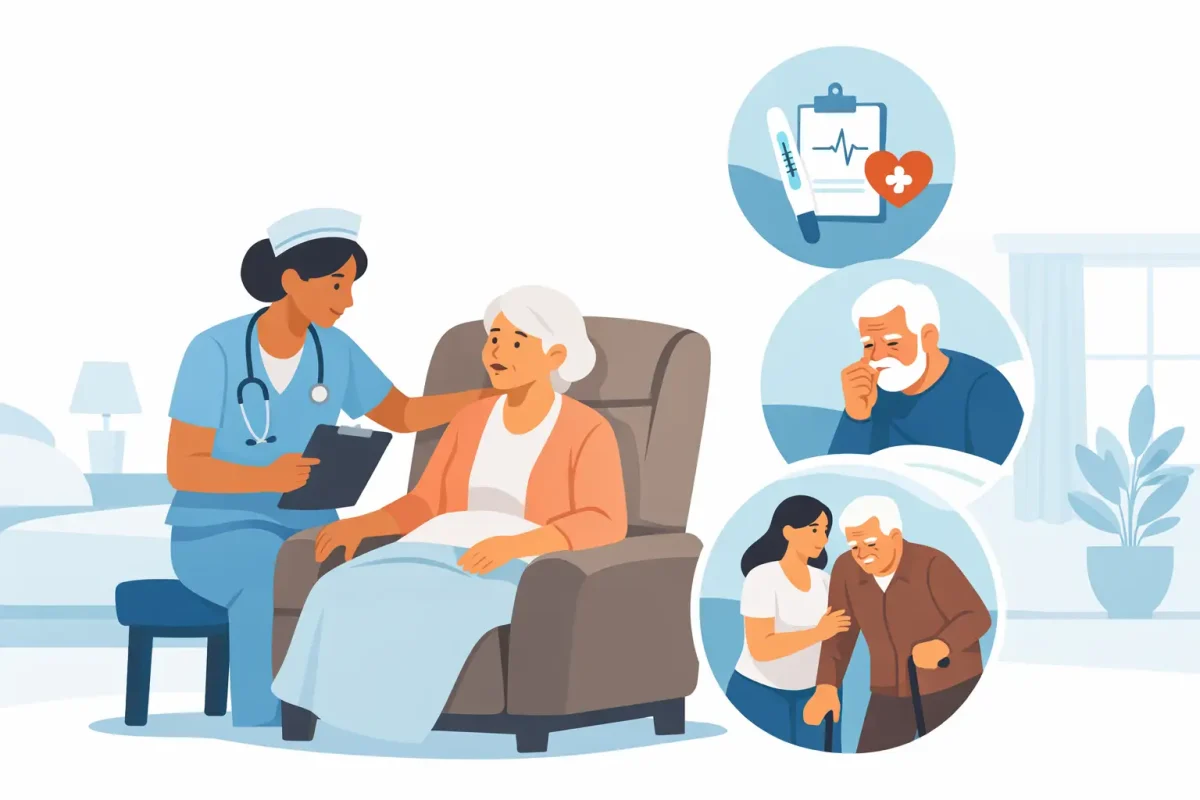
A loved one may be medically stable enough to leave the hospital yet still need more help than a family can safely provide. A wound may need regular dressing changes, a new medication schedule may feel overwhelming, or an older adult may be weaker after an illness. These are the moments when people ask, when do you need home nursing? The answer is usually not about replacing a doctor or hospital. It is about bringing skilled, consistent care into daily life when clinic visits are difficult or ongoing monitoring is needed.
Home nursing gives patients the chance to recover, manage a condition, or receive treatment in familiar surroundings. For families in Dubai and across the UAE, it can also reduce the pressure of coordinating transport, appointments, medications, and care instructions while trying to keep everyone safe and comfortable.
When Do You Need Home Nursing?
Home nursing may be appropriate when a patient needs clinical care at home on a scheduled or continuing basis, but does not require emergency hospital treatment. A licensed nurse can assess the patient, follow the physician’s care plan, monitor changes, provide prescribed nursing procedures, and help the family understand what to watch for.
One of the clearest signs is that care needs have become too complex for routine assistance alone. Helping someone rest, preparing meals, or offering companionship is valuable, but nursing is different. It involves clinical judgment, infection-control practices, medication support within the prescribed plan, monitoring, and procedures performed by qualified professionals.
The need may be temporary. A person recovering from surgery, childbirth, or a serious infection may only need support for days or weeks. It can also be ongoing for someone living with diabetes, limited mobility, neurological conditions, respiratory needs, or another chronic health concern. The right frequency depends on the diagnosis, the doctor’s recommendations, the patient’s independence, and the support already available at home.
Signs That Skilled Care at Home Can Help
Recovery is not progressing smoothly
After discharge, patients can look well enough to go home but still tire easily, feel unsteady, or struggle to follow their treatment plan. Home nursing can be helpful when a patient needs postoperative observation, wound care, injection support, vital-sign monitoring, or guidance on safe recovery routines.
This is especially relevant after major surgery, a fracture, a stroke, or a hospital admission for infection. Regular professional visits can help identify concerns early, reinforce discharge instructions, and reduce unnecessary strain from traveling while the patient is still healing.
A wound needs regular attention
Surgical incisions, pressure injuries, diabetic foot wounds, and other wounds need careful assessment and appropriate dressing changes. Delayed healing, increased drainage, new odor, spreading redness, or worsening pain should always be reported to a clinician promptly.
A home nurse can provide ordered wound care using proper hygiene and document how the wound is healing. Just as importantly, the nurse can teach family members how to protect the area between visits and recognize changes that should not wait.
Medications or treatments are difficult to manage
New medications often bring new responsibilities. Some patients need injections, IV therapy when prescribed, monitoring after treatment, or support maintaining a complicated medication routine. This can be challenging for an older adult who lives alone, a recovering patient with limited mobility, or a family caregiver balancing work and children.
Home nursing can add structure and reassurance. The nurse works within the treating clinician’s plan, checks how the patient is responding, and helps ensure the family understands the instructions. It is not simply about convenience. Consistent clinical oversight can be particularly valuable when missed doses or incorrect administration could affect recovery.
A chronic condition requires closer monitoring
Chronic conditions can change gradually or suddenly. A patient with diabetes may need support with glucose monitoring and foot care. Someone with heart, lung, or neurological concerns may need regular observation of symptoms, mobility, hydration, or treatment response.
Home nursing does not remove the need for physician follow-up. It can make that follow-up more effective by tracking relevant observations and flagging changes to the appropriate clinical team. For families, this creates a clearer picture of how the patient is doing from one day to the next.
Mobility has changed and safety is a concern
Falls, weakness, dizziness, and difficulty transferring from bed to chair can quickly affect a person’s confidence and independence. Following a hospitalization or illness, patients may need help with safe movement, skin protection, toileting routines, and prevention of complications linked to reduced mobility.
In these situations, nursing support may work alongside home physiotherapy. The nurse focuses on clinical needs and monitoring, while the physiotherapist addresses strength, balance, and functional movement. A coordinated approach is often more useful than trying to manage each issue separately.
Family caregivers are stretched beyond their capacity
Families often step in first, and many do so with enormous dedication. But caregiving can become emotionally and physically demanding when there are nighttime needs, frequent clinical tasks, or uncertainty about whether a symptom is serious. Asking for nursing support is not stepping back from care. It is bringing qualified help into the home so the family can focus on being present and supported.
This is also a practical option when relatives live far away, when a caregiver has work responsibilities, or when the patient prefers privacy and familiar routines. A nurse can give family members clear guidance rather than leaving them to make clinical decisions alone.
What Home Nursing Can Include
The exact service should be based on an assessment and a medical plan. Depending on the patient’s needs, home nursing may include vital-sign monitoring, medication and injection support, wound and dressing care, catheter care, ostomy support, IV treatment when ordered, post-hospital follow-up, and education for patients and caregivers.
For mother and baby care, nursing support can also be valuable during the early days after delivery. A new mother may need postoperative support after a cesarean birth, help monitoring recovery concerns, or practical guidance while adjusting to feeding, rest, and newborn routines. The purpose is to make the transition home safer and less stressful, while respecting the family’s preferences.
At Besthomecare / Prima Vita Clinic, DHA-licensed professionals can arrange care in a home, hotel, or workplace setting where clinically appropriate. The focus is on a clear care plan, respectful communication, and the continuity families need when health needs do not fit neatly into a short clinic appointment.
Home Nursing Is Not the Right Choice for Every Situation
Convenient care should never delay emergency treatment. Call emergency services or seek immediate hospital care for chest pain, severe trouble breathing, signs of stroke such as facial drooping or sudden weakness, uncontrolled bleeding, loss of consciousness, seizures, severe allergic reactions, or sudden confusion.
Home nursing is also not a substitute for a diagnosis. If a symptom is new, severe, or unexplained, a doctor must determine the cause and recommend the appropriate level of care. In some cases, a doctor home visit may be the right first step. In others, the safest choice is urgent evaluation at a hospital.
The key distinction is stability. Home nursing is best suited to planned care, recovery support, and ongoing management when the patient is stable and the home environment can safely support the treatment.
How to Decide What Level of Support Is Needed
Start with the treating doctor’s discharge instructions or current care plan. Ask whether skilled nursing is recommended, what treatments must be completed at home, how often monitoring is needed, and which symptoms require escalation. Be specific about the patient’s ability to walk, eat, take medications, communicate symptoms, and manage personal care independently.
It also helps to consider the home situation honestly. Is there a reliable caregiver? Can the patient get to appointments without discomfort or risk? Is someone confident handling the tasks involved? If the answer is no, professional nursing can protect both the patient and the caregiver from preventable stress.
Before arranging care, have these details ready:
- The patient’s diagnosis, recent discharge notes, and physician instructions
- A current list of medications, allergies, and prescribed treatments
- The type of support needed, such as wound care, injections, monitoring, or recovery assistance
- Any recent changes in symptoms, mobility, appetite, pain, or mental alertness
A qualified provider can use this information to help determine whether a nursing visit, a scheduled care plan, a doctor assessment, or urgent hospital evaluation is most appropriate.
The right time to arrange home nursing is often before a manageable need becomes a crisis. When a patient needs skilled attention, a family needs clearer guidance, or recovery is safer with professional oversight, care at home can bring calm, continuity, and confidence back into the day.
